Observe
Follow a recently closed deal from signal through execution.
01 / RESEARCH + PRODUCT STRATEGY / 2022—2024

I led the research and design strategy that expanded PitchBook into private credit.
My work shaped the credit dashboard, deal-sheet strategy, CLO data architecture, cohort migration, and a roadmap of investments that continued to ship through 2025 and beyond.
I conducted the foundational research, framed the program, reviewed the senior designer’s iterations, and prepared the work for executive decisions. As the program matured, I shifted direct presentation ownership to the senior designer.
LCD brought authoritative reporting and deep leveraged-finance data into PitchBook. The obvious move was to place those assets inside the existing platform. The actual challenge was more consequential: credit professionals used information differently depending on their role, their institution, the state of a deal, and whether they had authority to act.
I took a player-coach model—conducting foundational research myself, then preparing team members to lead subsequent sessions. I translated what we learned into an upward-facing product structure while a senior designer drove design iterations. Over time, I deliberately transferred presentation ownership so the designer could work directly with the VP of Product.
A collateralized loan obligation moves through distinct information states. The exact terms vary by deal, but this typical lifecycle shows why timing, market context, and role-specific decisions mattered to the product.
Acquire loans through warehouse and ramp-up activity while the pool takes shape.
Terms, market demand, participants, and timing converge into an executable structure.
Monitor the portfolio and changing market conditions while proceeds can be redeployed.
After the non-call period, stakeholders may call, refinance, or reset the deal—or let it amortize.
ARTIFACT RECONSTRUCTION / ADAPTED FROM AN INTERNAL DOMAIN-LEARNING ARTIFACT
Methods used across the program
Contextual inquiry, recorded-session replays, and interviews let us compare how information moved through real transactions. We treated concrete deals as the unit of analysis, looking across roles, approval dependencies, information sources, and moments where the ability to act changed.
Follow a recently closed deal from signal through execution.
Contrast roles, institutions, decisions, and information states.
Let recurring patterns form the workflow and role framework.
Turn the emerging model into requirements and functional designs.
We worked with 30 editors and 20 customers across more than 40 categories supported by the existing platform. Splitting the artifact makes the comparison visible: the internal editorial model on one side, and the strongest correlations with customers’ language on the other.
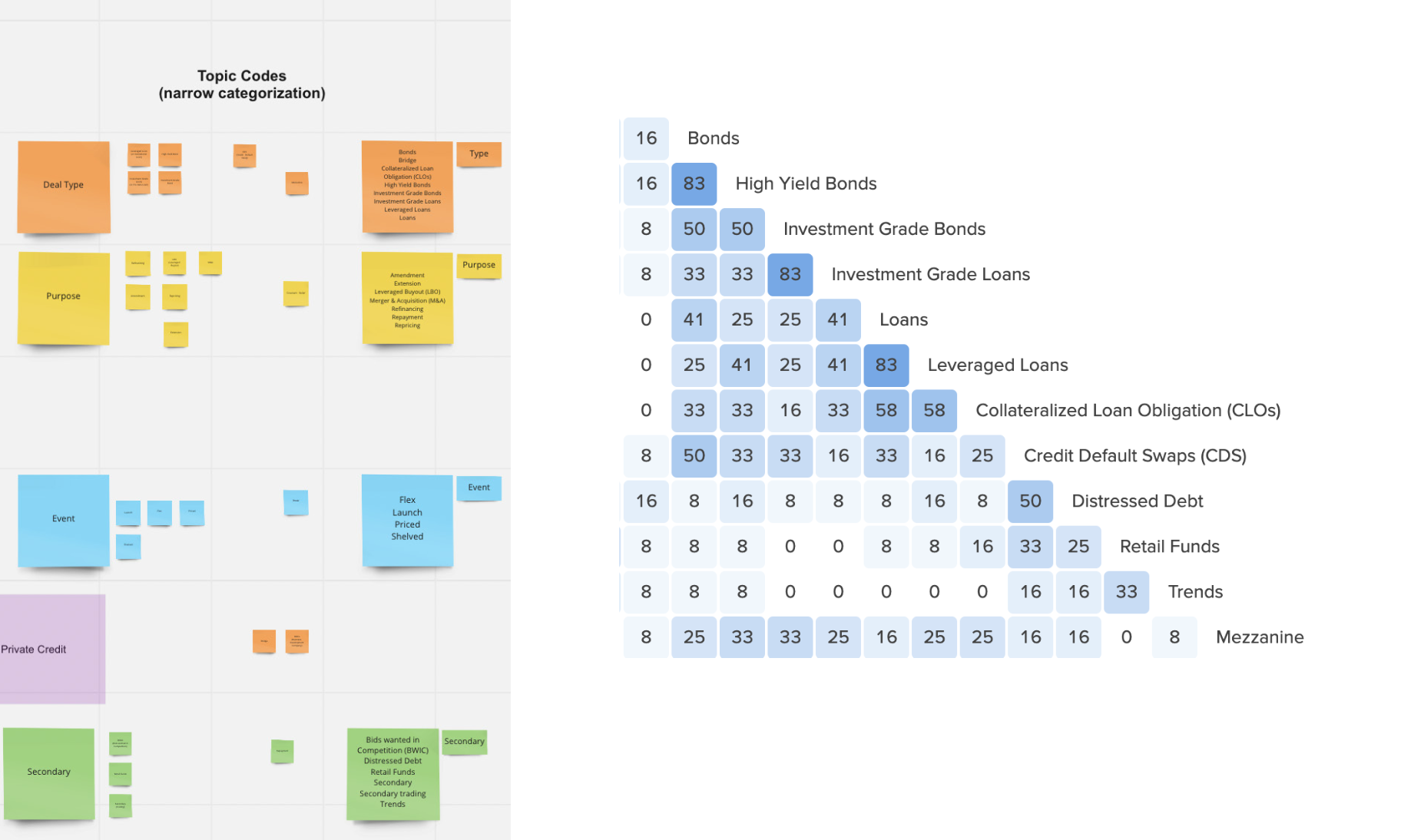
The left side maps the topics, categories, purposes, and events used by LCD’s editorial team to organize private-credit coverage.
The right side shows the strongest correlations between the editorial taxonomy and how private-credit customers grouped the same topics—evidence for which labels could carry into the product and where the language needed to change.
Two prototypes I designed and built
The category model became concrete in two prototypes. Together, they tested how a private-credit user could move from a large research collection to a specific report without losing market context.
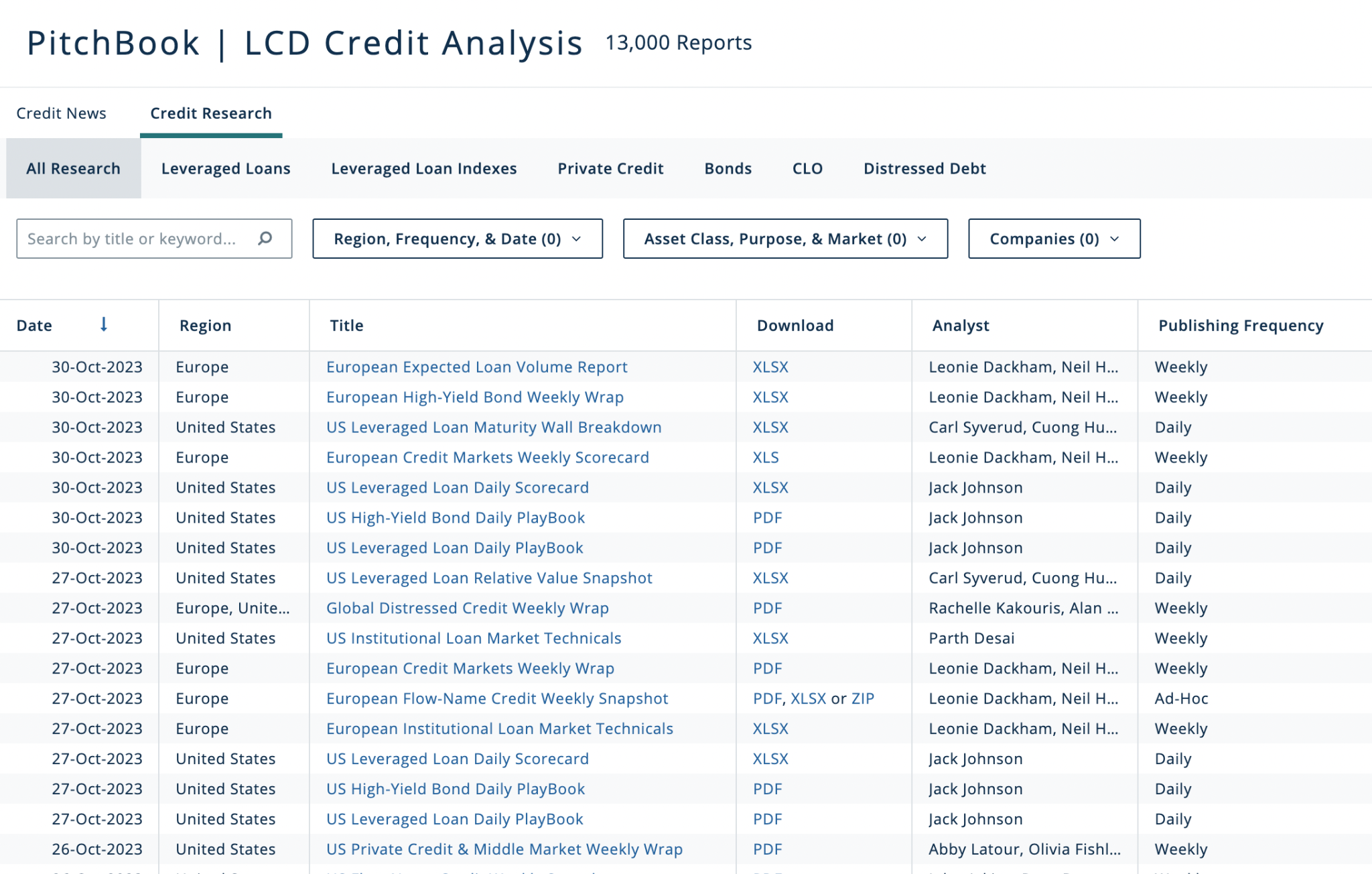
I designed and built this prototype to organize a large credit-research collection around the categories specialists actually used: leveraged loans, indexes, private credit, bonds, CLOs, and distressed debt. Search and layered filters made the taxonomy operational rather than merely descriptive.
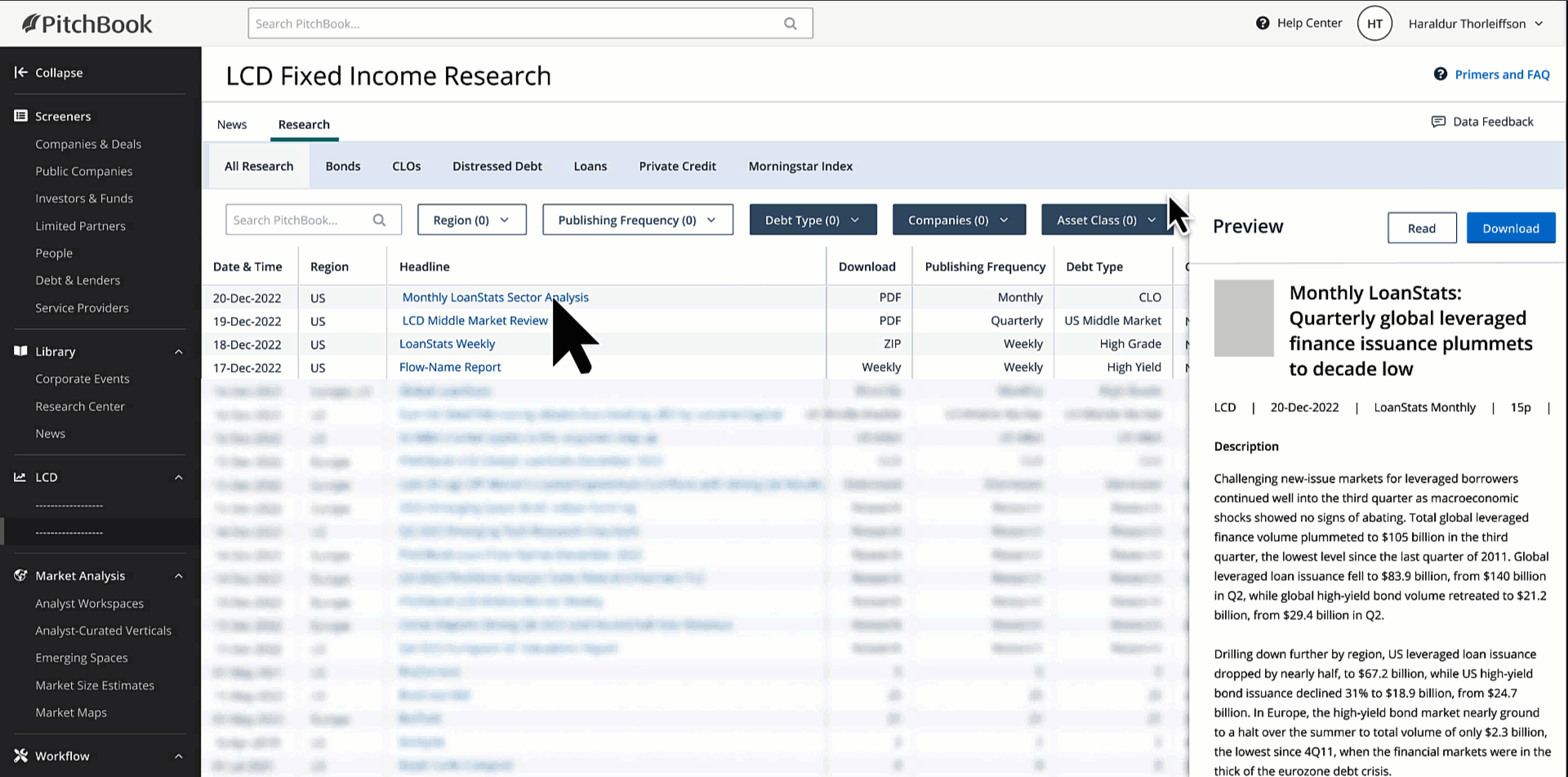
I designed and built this working prototype to connect filtering with an inline report preview, reading, and download actions. It made the value of integration tangible: users could evaluate a result in context instead of reconstructing the workflow across separate products.
One group reconstructed a deal that had just closed. They showed us the information they added internally, data extracted from LCD, comparable information buried elsewhere in PitchBook, and an approval that arrived at the last minute. A decisive signal had reached them too late to act.
Accuracy was necessary. Timing and agency determined value.RESEARCH-SYNTHESIZED VOICE / LEVERAGED FINANCE“I need to understand current terms, pricing, and covenants quickly enough to identify the right partners and move a financing forward.”
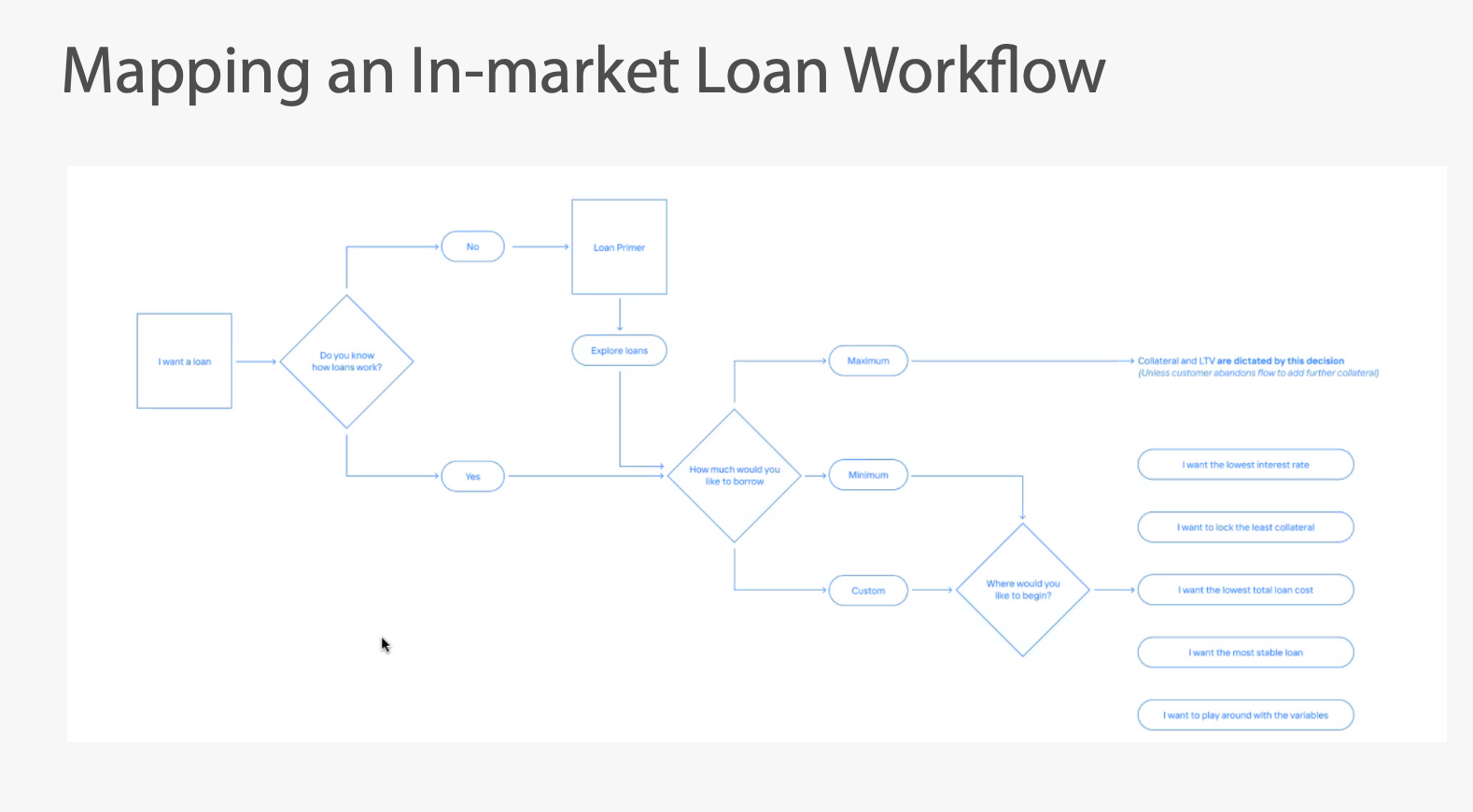
The map, “Mapping an In-market Loan Workflow,” turned early interviews into a first decision model for approaching an active loan. It made the sequence explicit enough to challenge and refine in later sessions.
The flow starts with a customer entering the market for a loan.
People unfamiliar with loans branch into a primer and an exploration step before continuing.
Maximum, minimum, and custom amounts create different paths through the decision.
Collateral and loan-to-value expectations become consequences of the amount selected.
Rate, collateral, total cost, stability, or the ability to explore variables shape the final path.
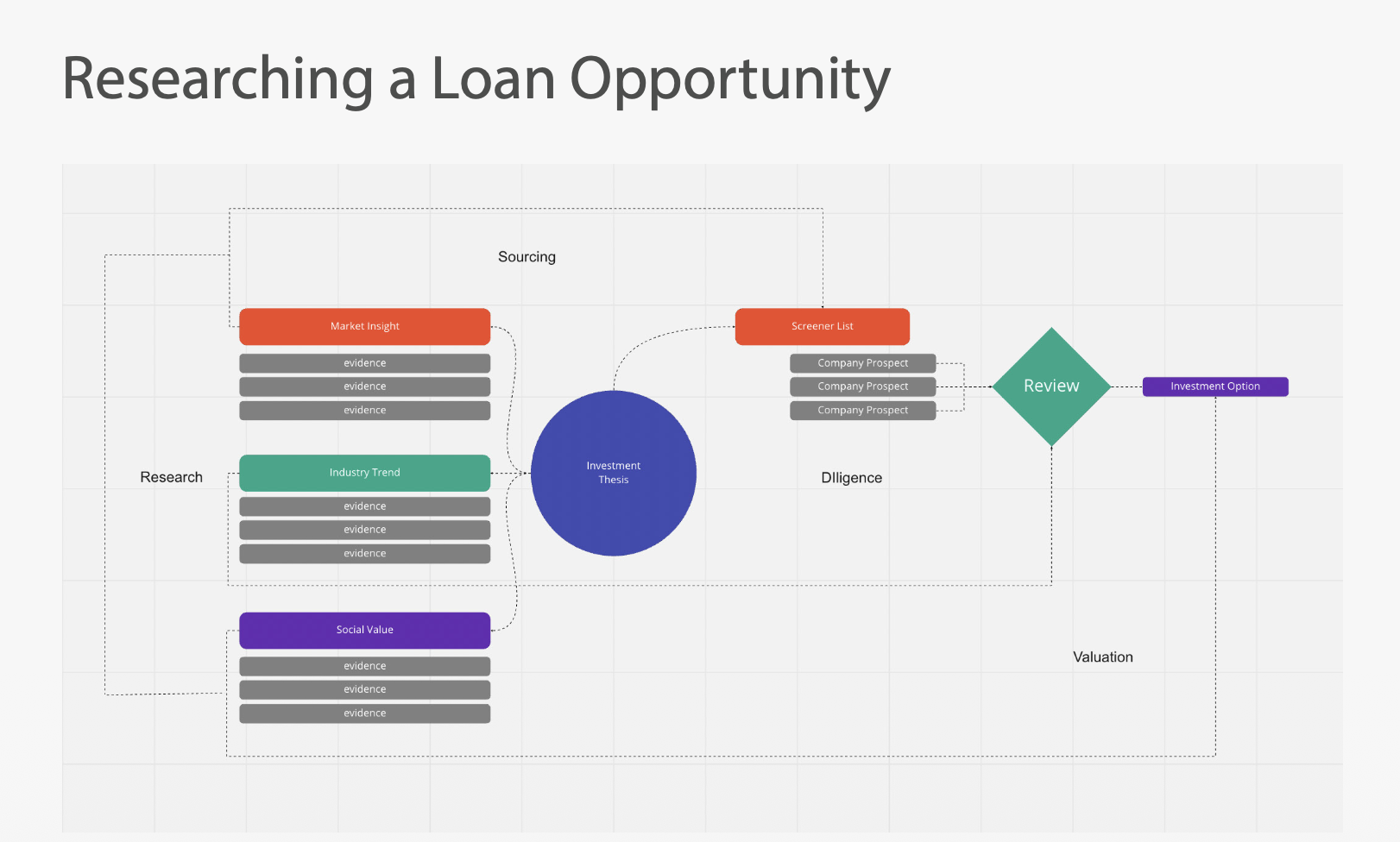
The map, “Researching a Loan Opportunity,” used contextual inquiry to expand the model into the connected work of sourcing, market and industry evidence, thesis formation, diligence, review, valuation, and investment options.
Market insight and a screener list establish the initial field of attention.
Industry trends and supporting evidence feed the emerging point of view.
A separate evidence stream captures considerations outside conventional market signals.
The evidence converges into the rationale that organizes subsequent diligence.
Company prospects are reviewed against the thesis before a decision advances.
The investment option becomes part of an ongoing valuation loop.
Two roles, one execution
Worked inside one active transaction, tracking terms, approvals, participants, and the next action needed to keep execution moving.
Looked across the debt market for a partner, comparing activity across deals and translating movement into strategic context.
A formal model for distinct institutional users
The research distinguished institutional subsegments whose responsibilities, time horizons, and definitions of value were materially different. We combined qualitative role and workflow evidence with quantitative transaction and market analysis, making those differences concrete enough for UX and product teams to plan around them.
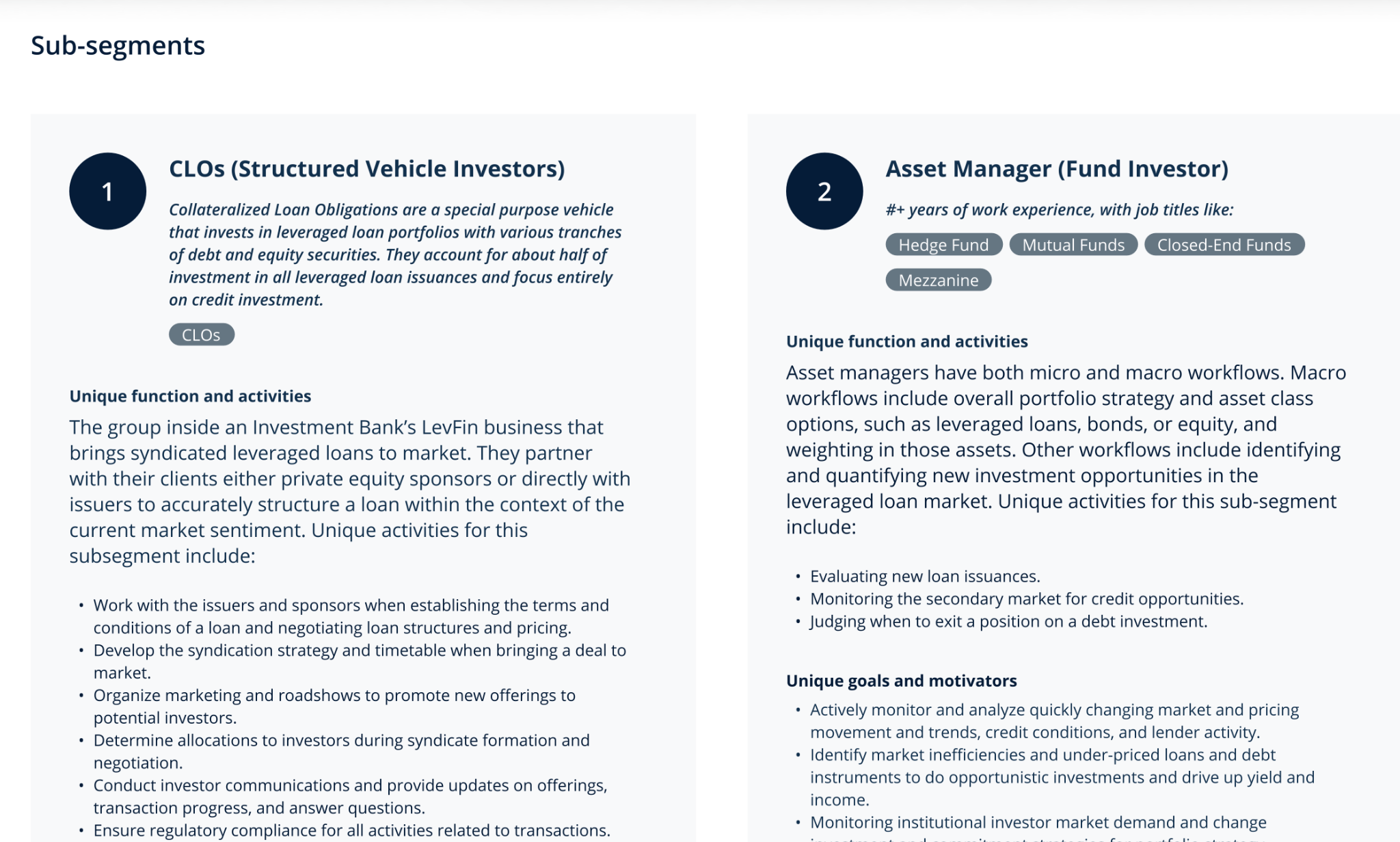
The artifact compares two private-credit subsegments: CLO structured-vehicle investors and asset-manager fund investors. It connected each group’s market position to its distinctive activities, goals, and information needs, giving teams a shared basis for product decisions.
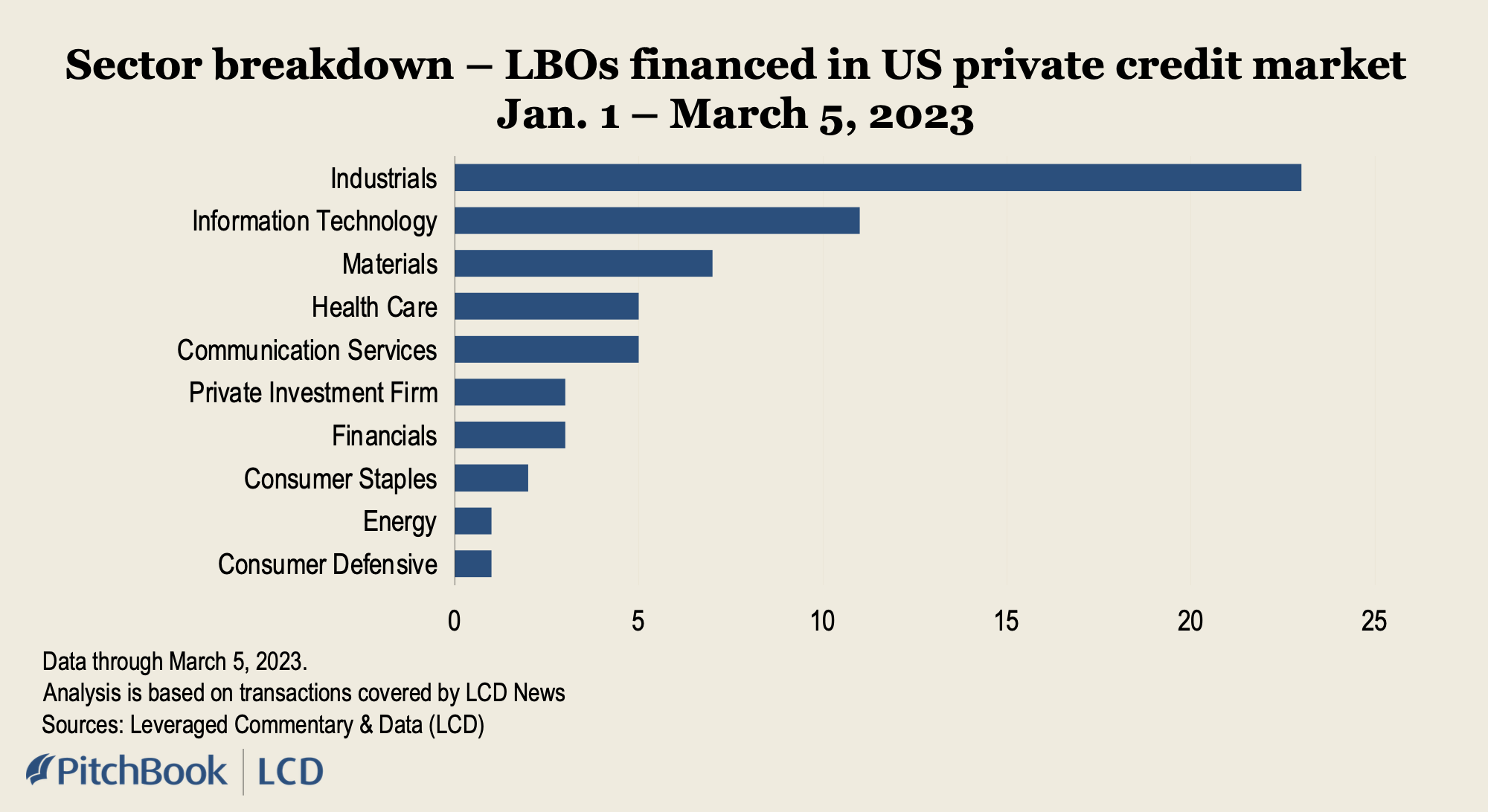
I decomposed LCD-covered private-credit transactions by sector to test the persona model against observed market activity. Measuring that concentration connected stated needs to real transaction patterns and helped identify the industry context, comparable deals, and sector-specific risk signals the experience needed to make easy to retrieve.
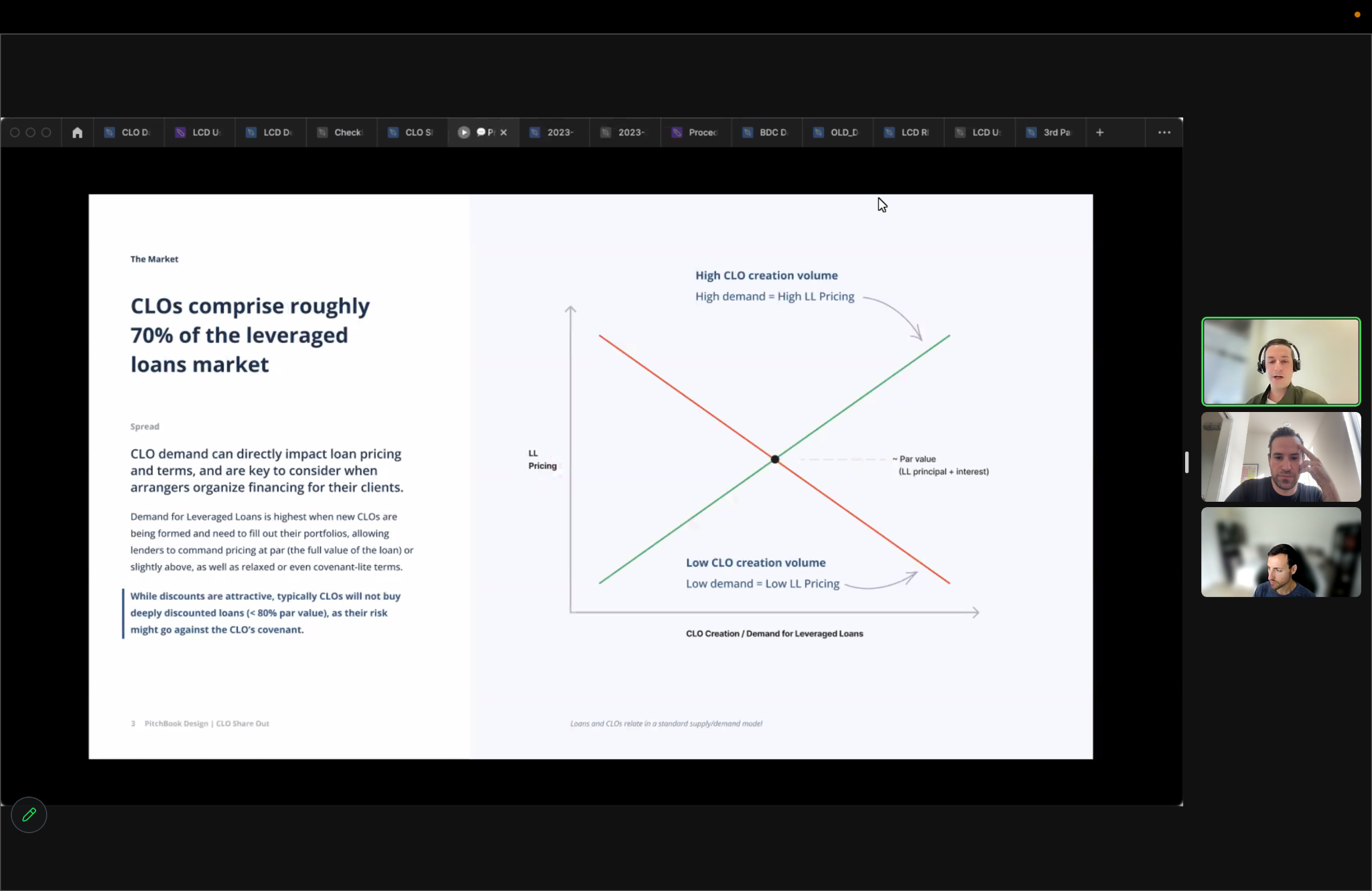
This slide came from an internal research-sharing session between UX and product teams. I used the CLO market model to explain why this new user type worked differently from the rest of the PitchBook platform—and why the product needed different information structures and timing.
Five artifacts, one connected system
These artifacts looked different because they came from different layers of the service. Read together, they exposed a single chain: editors created and classified information, publishing rules determined when it became visible, and product views translated it into market context customers could act on.
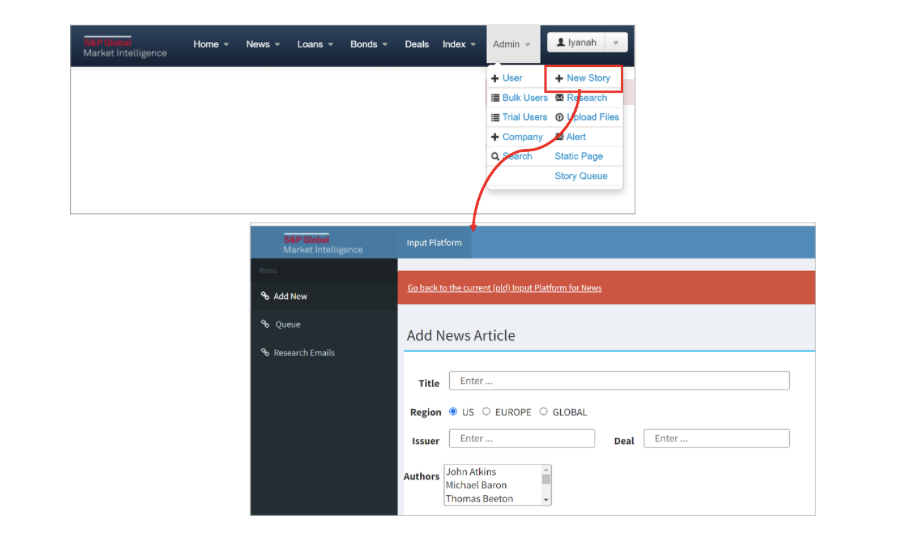
The inherited New Story flow shows where editorial expertise entered LCD. Mapping the authoring surface grounded the integration in the work editors were already doing—not only in the data investors eventually consumed.
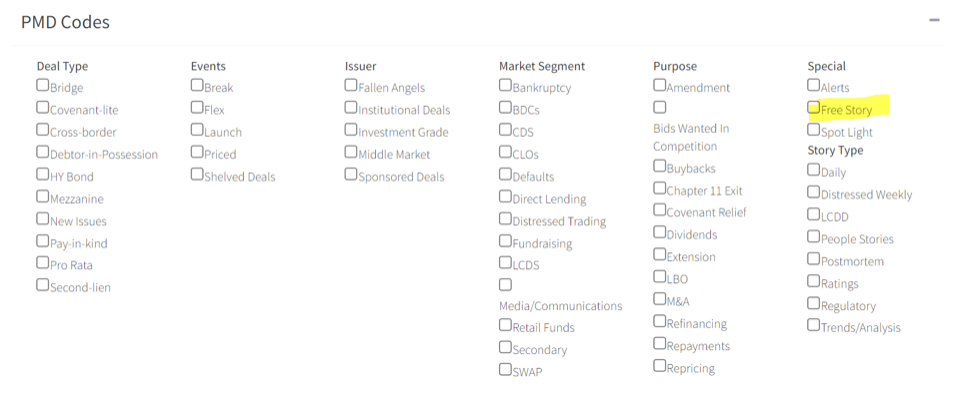
The PMD code set reveals the categories editors applied to a story: deal type, event, issuer, market segment, purpose, and special treatment. It was a bridge between newsroom judgment and the taxonomy the product needed to support.
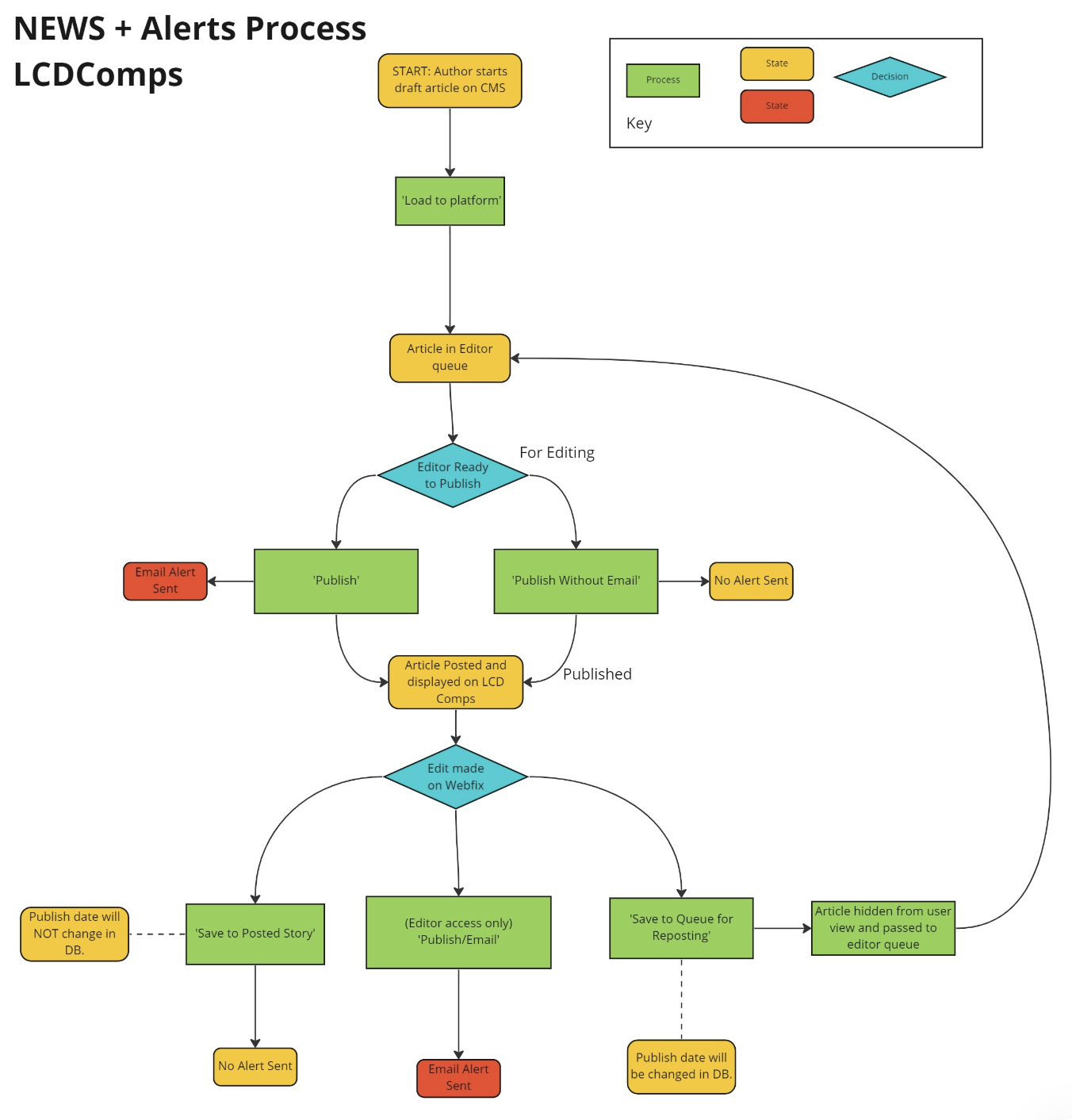
The news-and-alerts workflow traced the states between drafting, editorial review, publication, email alerts, corrections, and reposting. It showed that timeliness depended on operational decisions as much as the product surface where information appeared.
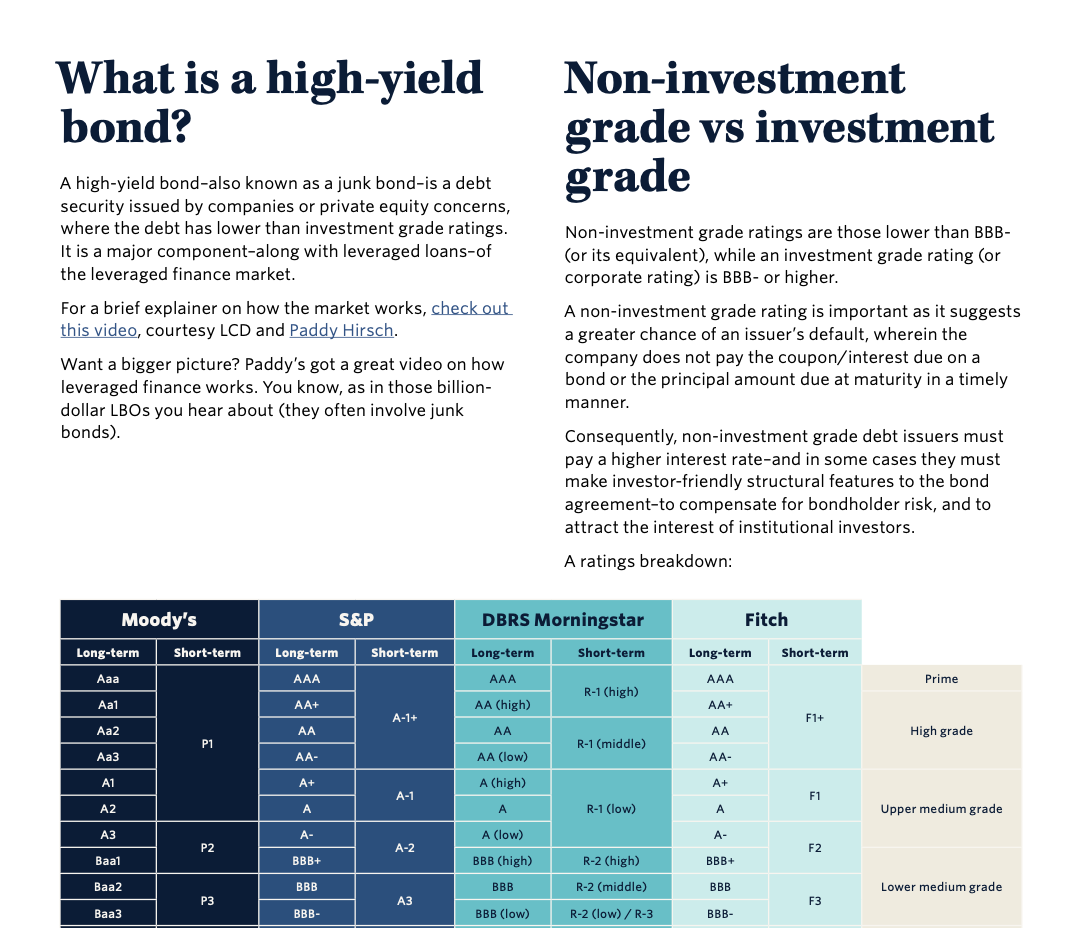
Definitions and a cross-agency ratings matrix show the explanatory layer needed to make leveraged finance legible across levels of expertise. Integration had to preserve this domain context—not simply relocate the content.
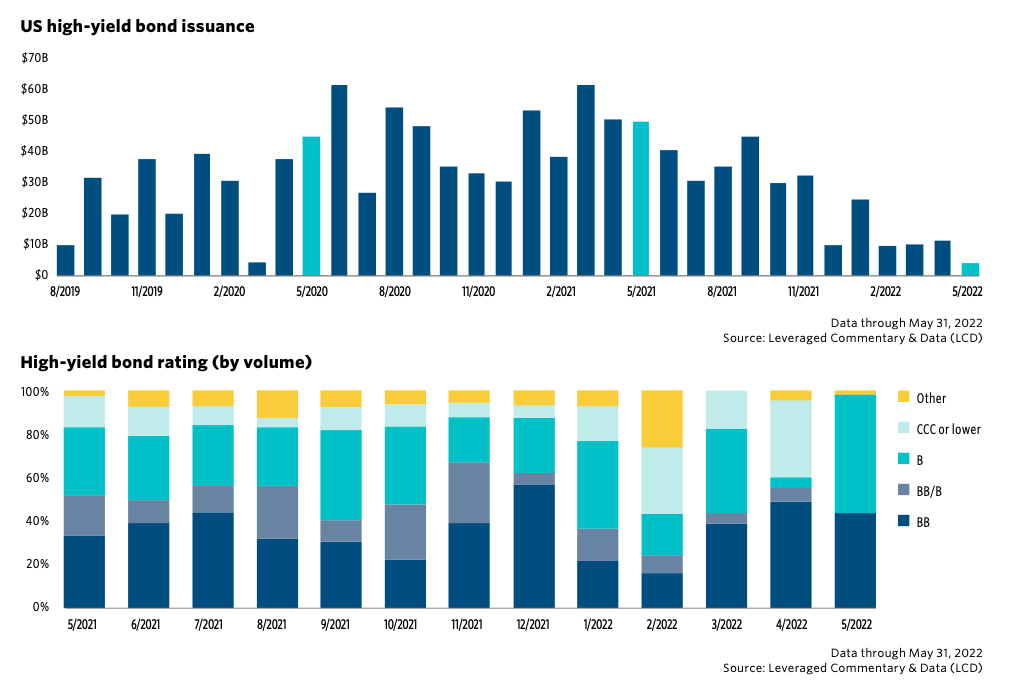
Issuance volume and rating mix transformed a stream of LCD reporting into a market-level signal. These views helped connect the internal information pipeline to the questions investors were trying to answer quickly.
Evidence changed the structure
When we tested the proposed deal-sheet structure against concrete collateralized loan obligation deals, the data did not behave like the model we had inherited. The most consequential information belonged in another part of the deal sheet altogether.
We reworked the design structure and made the critical details explicit in a single panel. This was not a cosmetic revision: research changed the shape of the underlying data, its hierarchy, and how it connected to the broader market.
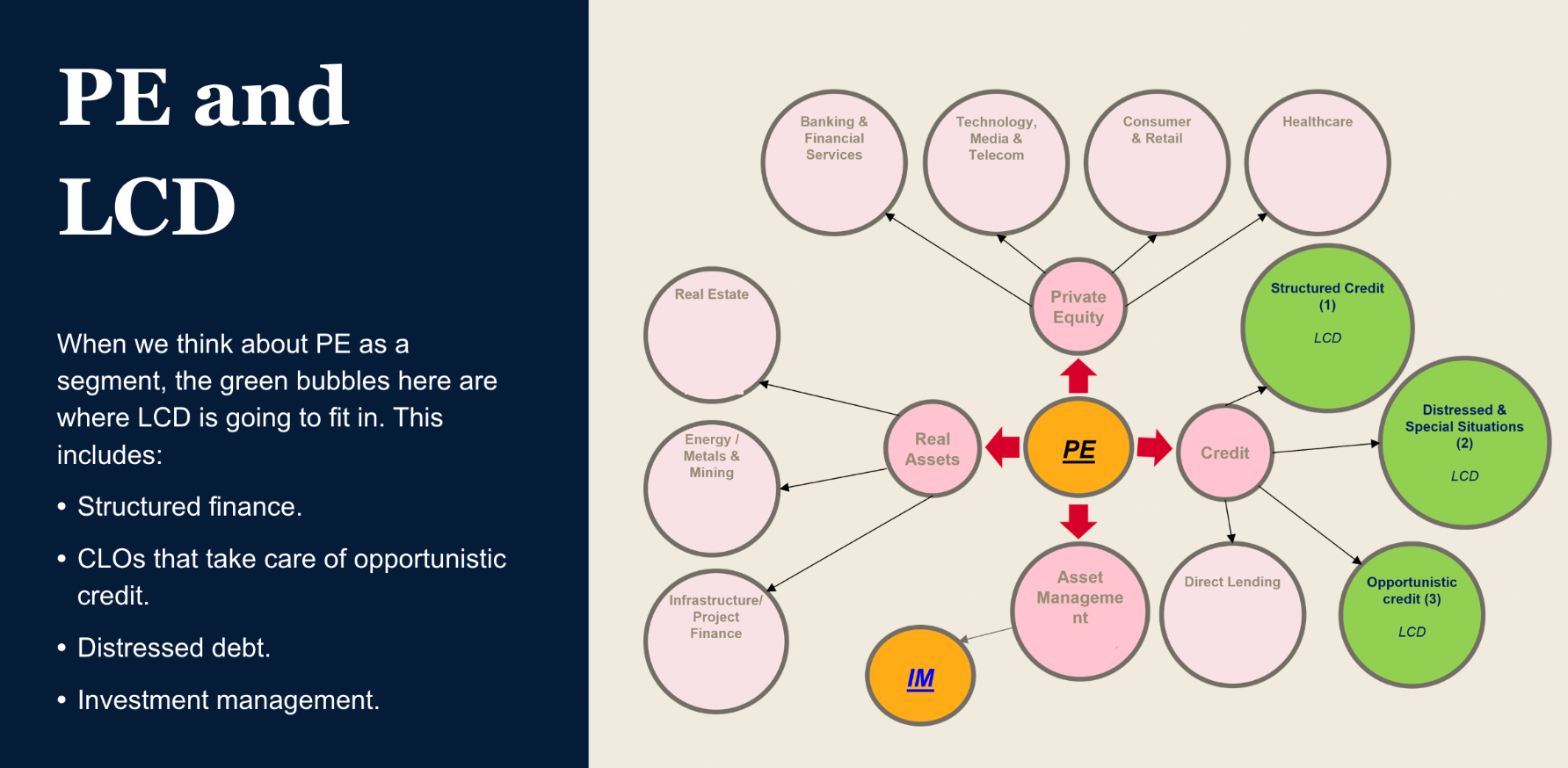
This internal model helped explain where CLOs and other LCD credit coverage fit within PitchBook’s existing private-equity context. Making that relationship legible across teams was a prerequisite to challenging the inherited product assumptions and designing the right credit information structure.
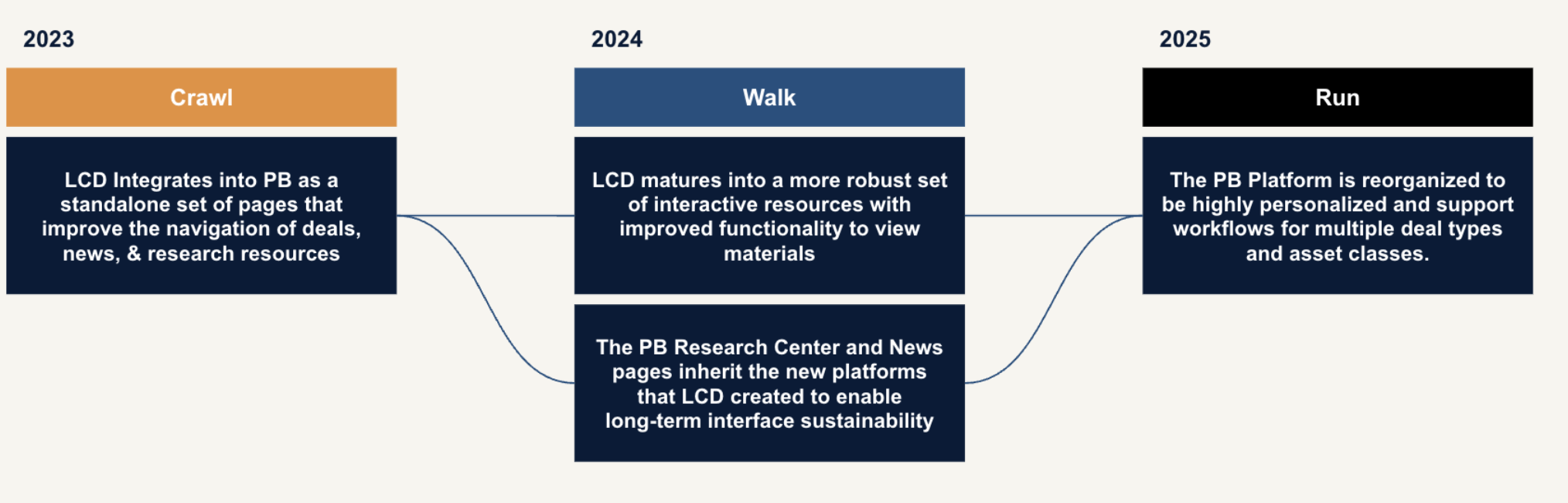
I authored this crawl–walk–run proposal and used it as a shared decision artifact with two product managers and their director. It kept near-term integration, platform sustainability, and longer-term personalized credit workflows aligned as the roadmap moved into 2025 and beyond.
Research carried through delivery—and changed how teams were organized
I helped establish a cross-functional program structure that connected business sponsorship and program leadership with product, data operations, research, go-to-market workstreams, executive steering, and the wider stakeholder group.
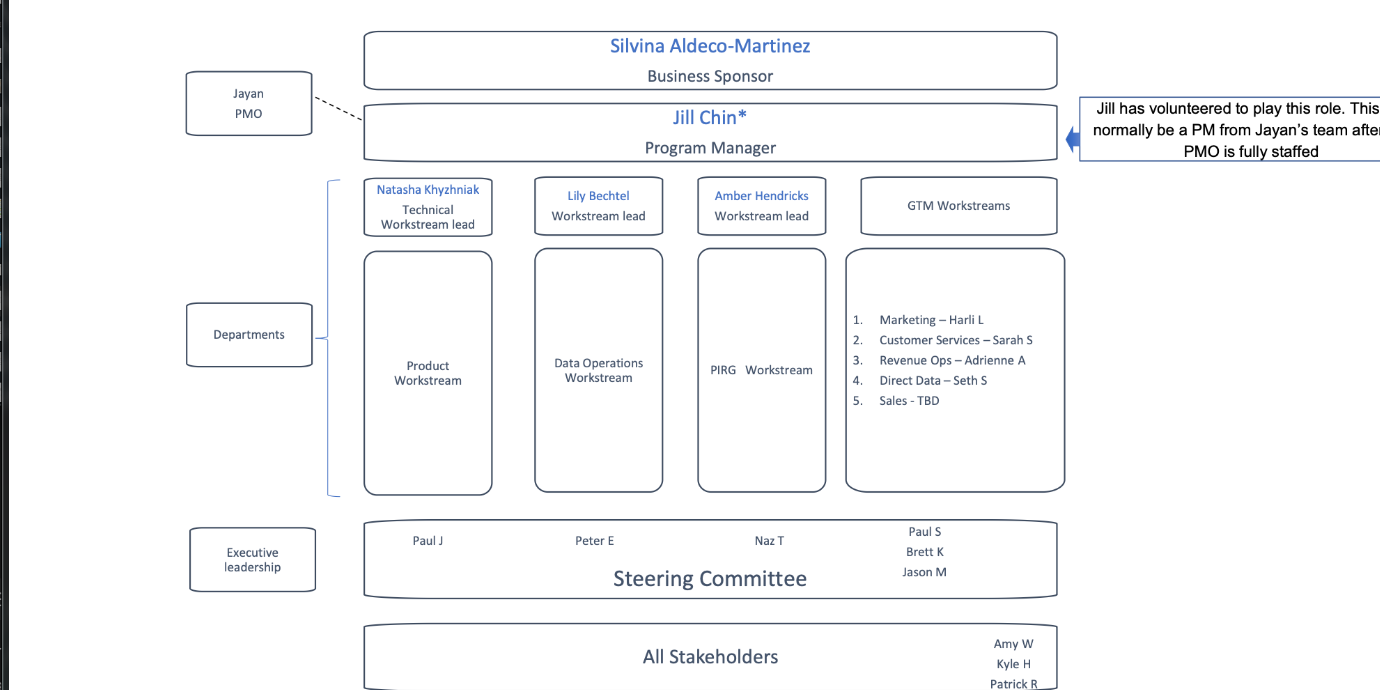
The structure we proved through the LCD integration was presented to PitchBook’s product organization as the program-structure example. Its internal success made it a core setup strategy and product-team model for coordinating consequential work across departments—not only a way to deliver this one integration.
I conducted foundational research and made the private-credit user, workflow, and decision model legible to senior product partners.
Across two quarters, the findings became requirements and functional direction while design and technical delivery progressed in parallel.
The team refined the experience, prepared cohort-based releases, and launched the integrated credit solution. My January roadmap proposal extended the work into the next portfolio investments.
The product direction continued through expanded CLO coverage, portfolio-holdings analysis, full user migration, and increasingly connected credit workflows.
My research established the user and decision model. My team leadership carried that model into designs, requirements, technology delivery, and migration. Together, the work helped PitchBook successfully absorb LCD’s users and capabilities while building a substantially larger credit product portfolio.
PitchBook publicly launched its integrated credit intelligence solution in May 2024. The roadmap I helped establish continued into expanded CLO data and a dedicated Portfolio Holdings Universe—turning complex, fragmented credit information into connected deal- and market-level workflows.
LCD research, news, and data were brought into the PitchBook platform. The source evidence is internal, so this public case study presents the verified milestone without reproducing the confidential slide.
The LCD integration worked because we treated internal editors and external investors as parts of the same information system. Research showed not only what each group needed, but when their knowledge became useful, who could act on it, and how that connection had to make sense across PitchBook teams.
Keeping the model active while we built turned research into an operating tool: it guided architecture, priorities, handoffs, and migration—not only the first design.